If you live in Edmonton, you already know how tough our winters can be. Snow piles up, the ground freezes hard, and by the time spring arrives, your lawn looks… tired. Maybe it’s patchy. Maybe water pools on the surface. Or maybe it just doesn’t grow the way it used to.
Have you ever wondered why?
One hidden culprit could be thatch. And knowing when to dethatch your lawn in Edmonton can make all the difference between a struggling yard and one that looks lush and healthy. Whether you’re a homeowner or managing a larger property, understanding dethatching is just as important as watering or mowing—especially in commercial lawn care.
In this guide, we’ll break it all down in simple terms, so you know exactly what to do—and when.
1. What Is Lawn Thatch?
Thatch is a layer of dead grass, roots, and debris that builds up between the soil and the green grass blades.
Think of it like a blanket. A thin blanket protects your lawn. But when that blanket gets too thick—over half an inch—it starts suffocating your grass.
Too much thatch:
-
Blocks water from reaching roots
-
Prevents nutrients from penetrating soil
-
Encourages pests and disease
-
Weakens overall lawn health
That’s when dethatching becomes necessary.
2. Why Thatch Builds Up in Edmonton
Edmonton’s climate plays a big role. Long winters, short growing seasons, and compacted soil all contribute to thatch buildup. Grass doesn’t decompose as quickly in cold conditions, so debris accumulates year after year. In both residential yards and commercial lawn care properties like office parks and retail centers, heavy foot traffic makes things worse. The result? Thick, matted lawns that struggle to breathe.
3. Signs Your Lawn Needs Dethatching
How do you know it’s time? Here are clear warning signs:
-
Spongy feeling when you walk on it
-
Water pooling after rain
-
Grass thinning in patches
-
Brown spots despite watering
-
Hard soil under a thick layer
Try this simple test:
Dig up a small section of your lawn. If the brown layer between soil and grass is thicker than half an inch, you likely need dethatching.
4. When to Dethatch Lawn Edmonton
Timing is everything. In Edmonton, the best times to dethatch are:
Early Spring (Late April to Early May)
This is ideal when grass starts actively growing again.
Early Fall (Late August to Mid-September)
Another great window when temperatures are cooler but grass is still growing.
Avoid dethatching during peak summer heat or when the lawn is dormant.
Why? Because dethatching stresses the grass. Doing it at the wrong time is like asking someone to run a marathon when they’re sick.
5. Spring vs Fall Dethatching
Both seasons work—but each has its benefits.
Spring Dethatching
-
Helps remove winter debris
-
Encourages fresh growth
-
Prepares lawn for summer
However, early spring can still have frost risks.
Fall Dethatching
-
Cooler temperatures reduce stress
-
Less weed competition
-
Ideal for overseeding
Many professionals, including Seasons 360 in Edmonton, often recommend early fall for the best recovery results.
6. Weather Conditions to Consider
Before dethatching, ask yourself:
-
Is the soil moist but not soggy?
-
Is grass actively growing?
-
Are temperatures moderate (10–20°C)?
Never dethatch during drought or extreme heat. Your lawn needs strength to recover.
7. How Often Should You Dethatch?
Good news—you don’t need to do it every year. For most Edmonton lawns:
-
Every 2–3 years is sufficient
-
High-traffic areas may need it more often
In commercial lawn care, dethatching schedules are often planned as part of a seasonal maintenance strategy. Consistency is key—but overdoing it can damage roots.
8. Dethatching for Commercial Lawn Care
Large properties require special attention. Shopping plazas, apartment complexes, and business parks in Edmonton experience heavy use. Compacted soil and frequent mowing increase thatch buildup. Professional commercial lawn care services:
-
Use heavy-duty dethatchers
-
Plan seasonal timing strategically
-
Combine dethatching with aeration
-
Ensure minimal disruption to business operations
Healthy commercial landscapes boost curb appeal and create a positive impression. First impressions matter—especially for businesses.
9. DIY vs Professional Dethatching
You have two options:
DIY
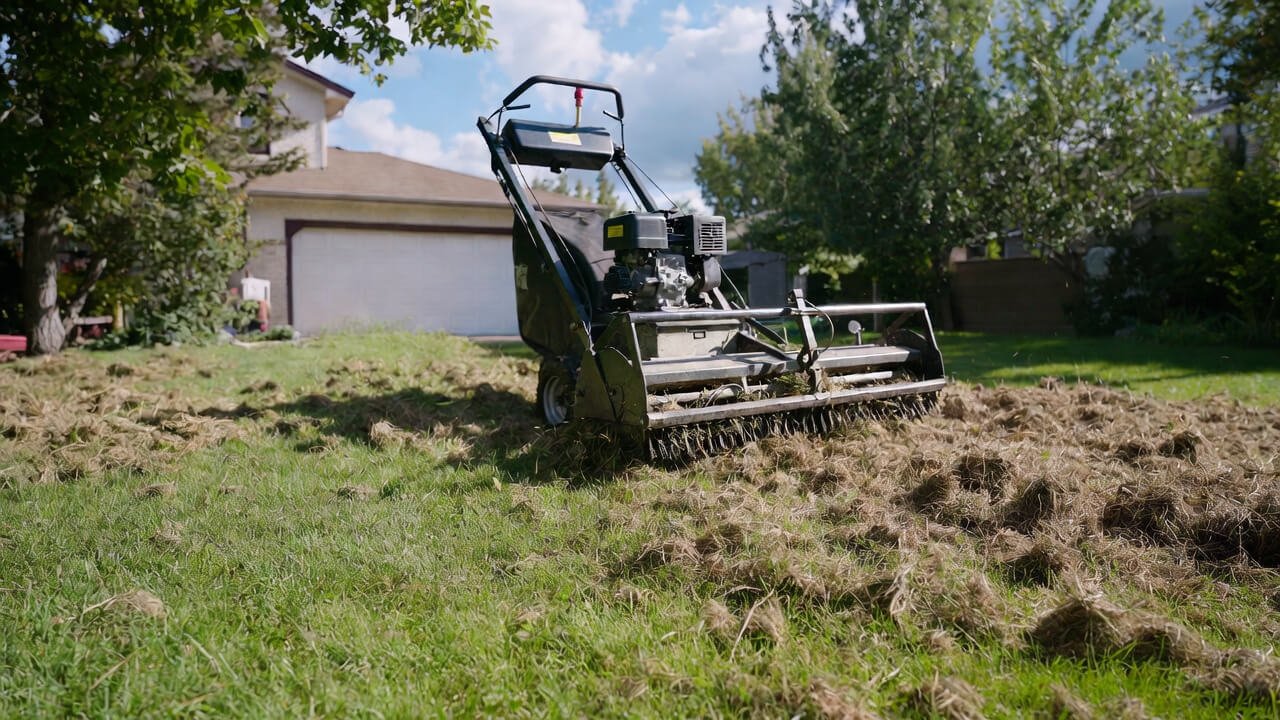
You can rent a dethatching machine from a hardware store. It’s cheaper upfront but physically demanding and easy to misuse.
Professional Service
Hiring experts like Seasons 360 in Edmonton ensures:
-
Correct timing
-
Proper equipment
-
No root damage
-
Complete lawn recovery plan
For larger properties or commercial lawn care contracts, professional service is usually the smarter investment.
10. What Happens If You Dethatch at the Wrong Time?
Timing mistakes can:
-
Shock your lawn
-
Cause brown patches
-
Increase weed growth
-
Lead to disease
Dethatching during summer heat is especially risky in Edmonton. The grass simply can’t recover quickly enough. It’s better to wait a few weeks than repair months of damage.
11. Steps After Dethatching
Dethatching isn’t the finish line—it’s the beginning. After dethatching:
-
Remove debris thoroughly
-
Aerate the soil
-
Overseed thin areas
-
Apply fertilizer
-
Water consistently
Think of dethatching like opening the door. Now nutrients can finally reach the roots.
12. Overseeding After Dethatching
This is the perfect time to overseed. The soil is exposed. Seeds make direct contact with the ground. Germination improves significantly. In Edmonton’s climate, fall overseeding works especially well. For commercial lawn care projects, overseeding ensures properties remain thick and green throughout the season.
13. Fertilizing and Watering Tips
After dethatching:
-
Use a balanced fertilizer
-
Water lightly but consistently
-
Avoid heavy foot traffic
Your lawn is healing. Treat it gently. Within a few weeks, you’ll notice greener, stronger growth.
14. Why Choose Seasons 360 in Edmonton
Choosing the right lawn care company matters. Seasons 360 understands Edmonton’s unique climate challenges. Their team provides:
-
Residential lawn dethatching
-
Complete commercial lawn care solutions
-
Seasonal lawn health planning
-
Aeration and overseeding services
They don’t just remove thatch—they build long-term lawn health. Whether it’s a family home or a commercial property, proper timing and technique make all the difference.
15. Final Thoughts on Healthy Lawns
A lawn is more than grass. It’s where kids play, where neighbors chat, and where businesses welcome customers. Knowing when to dethatch lawn Edmonton properties can completely transform your outdoor space. Done at the right time—early spring or early fall—it revitalizes your lawn and prepares it for strong growth. If you’re unsure, professional guidance from experienced providers like Seasons 360 can save you time, money, and frustration. Because in the end, a healthy lawn isn’t luck—it’s smart care at the right time.
FAQs
1. When is the absolute best month to dethatch in Edmonton?
Late April to early May in spring, or late August to mid-September in fall are ideal for Edmonton lawns.
2. Can I dethatch every year?
It’s not recommended unless thatch buildup exceeds half an inch. Most lawns need it every 2–3 years.
3. Is dethatching necessary for commercial lawn care properties?
Yes, especially for high-traffic commercial areas where soil compaction and debris buildup occur more frequently.
4. Should I water before dethatching?
Yes, lightly water the lawn a day or two before dethatching to soften the soil—but avoid soggy conditions.
5. What is the difference between aeration and dethatching?
Dethatching removes surface buildup, while aeration creates holes in the soil to improve airflow and nutrient absorption.