Your lawn is like the welcome mat to your home. It’s the first thing people notice, and it silently reflects how much care you give your space. But let’s be honest — between work, family, errands, and life’s daily chaos, who really has time to track a fertilization schedule?
If you’ve ever looked at your yard and thought, “I’ll deal with it next weekend,” you’re not alone. The good news? Maintaining a fertilization schedule doesn’t have to be complicated or time-consuming. With the right strategy — especially using organic lawn care fertilizer — you can keep your grass healthy without adding stress to your already packed calendar.
In this guide, we’ll walk you through practical, realistic steps that actually work for busy homeowners. And we’ll show how Seasons 360 makes the process even easier.
1. Why a Fertilization Schedule Matters
Think of your lawn like your body. If you skip meals for weeks, you won’t feel great. Grass works the same way. It needs consistent nutrients to stay green, thick, and strong.
Without a fertilization schedule, your lawn may:
-
Turn yellow
-
Develop patchy spots
-
Become weak against weeds
-
Struggle during extreme weather
A planned schedule keeps your yard healthy year-round instead of constantly playing catch-up.
2. Understanding Your Lawn’s Basic Needs
Grass isn’t demanding, but it does need the right nutrients:
-
Nitrogen for green growth
-
Phosphorus for root development
-
Potassium for strength and disease resistance
When you use organic lawn care fertilizer, you’re feeding the soil naturally. Organic options improve soil structure and encourage beneficial microbes. In simple words? Healthier soil means healthier grass.
3. The Benefits of Organic Lawn Care Fertilizer
Why go organic?
Here’s why many homeowners are making the switch:
Safer for Kids and Pets
Organic fertilizers contain natural ingredients, reducing chemical exposure.
Improves Soil Health Long-Term
Unlike synthetic products, organic fertilizer feeds the soil, not just the grass.
Less Risk of Burning Your Lawn
Chemical fertilizers can scorch grass if applied incorrectly. Organic options are gentler.
It’s like choosing homemade food over fast food. Both may fill you up, but one builds long-term health.
4. How Often Should You Fertilize?
Busy homeowners often ask: “How many times a year is enough?”
Generally, lawns need fertilization:
-
Early Spring
-
Late Spring
-
Summer (light feeding)
-
Early Fall
-
Late Fall
That’s about 4–5 times per year.
But don’t panic — this doesn’t mean spending hours every month. With proper planning and the help of professionals like Seasons 360, it becomes manageable.
5. Creating a Simple Annual Fertilization Plan
The easiest way to stay consistent is to create a yearly reminder schedule.
Step 1: Mark Your Calendar
Set alerts for early spring and early fall first. These are critical feeding times.
Step 2: Choose Your Fertilizer in Advance
Purchase your organic lawn care fertilizer at the beginning of the season.
Step 3: Keep It Visible
Store fertilizer where you’ll see it — like your garage shelf.
When it’s out of sight, it’s out of mind.
6. Seasonal Breakdown for Easy Planning
Let’s simplify this further.
Spring
Focus on growth and recovery after winter. This is when grass wakes up hungry.
Summer
Apply lighter feeding. Avoid over-fertilizing during heat.
Fall
This is the most important time. Roots grow deeper, preparing for winter.
When you understand seasonal needs, you stop guessing and start planning smarter.
7. Time-Saving Fertilizing Tips
Don’t want lawn care to take over your Saturday?
Here are quick tips:
-
Use a broadcast spreader for faster application
-
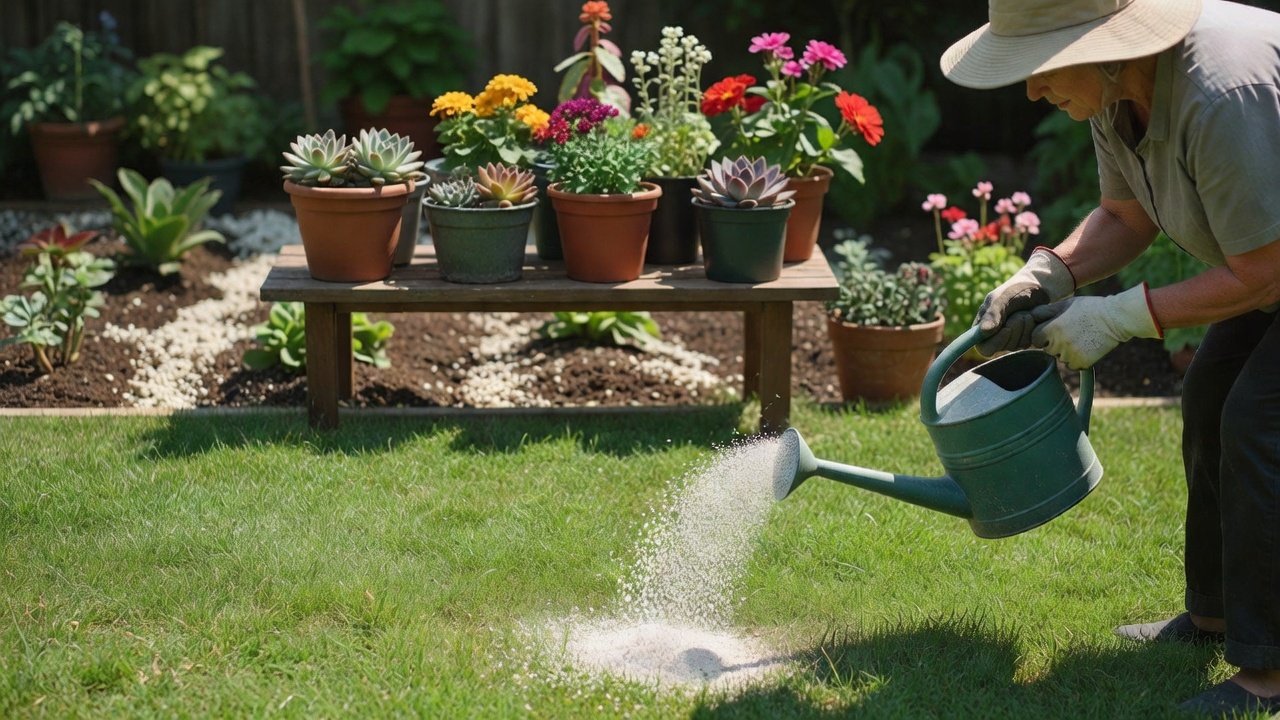
Fertilize right before light rain
-
Combine fertilizing with mowing days
-
Set phone reminders
Even better? Work with Seasons 360 to automate the process.
8. Tools That Make Lawn Care Faster
Having the right tools saves time.
Broadcast Spreader
Covers large areas quickly and evenly.
Soil Testing Kit
Helps you avoid over-fertilizing.
Automatic Irrigation System
Ensures nutrients soak into the soil properly.
Think of tools like kitchen appliances. Cooking is easier when you have the right equipment.
9. Common Fertilization Mistakes to Avoid
Even good intentions can backfire.
Avoid these mistakes:
-
Over-fertilizing
-
Fertilizing during drought
-
Ignoring soil health
-
Using the wrong product
Remember: More fertilizer does not mean more growth. It can actually damage your lawn.
10. When to Hire Professionals Like Seasons 360
Sometimes the smartest move is asking for help.
If you:
-
Travel often
-
Have zero spare time
-
Feel unsure about products
-
Want consistent results
Then hiring Seasons 360 may be the best solution. They handle timing, application, and product selection — especially organic lawn care fertilizer options — so you don’t have to worry.
It’s like hiring a personal trainer for your yard.
11. Balancing Work, Family, and Lawn Care
Let’s face it — life is busy.
The trick is not adding more to your plate but simplifying what’s already there.
Try this approach:
-
Assign one lawn task per month
-
Involve family members
-
Keep tasks under 30 minutes
Small, consistent actions beat large, irregular efforts.
12. Eco-Friendly Lawn Care for the Modern Homeowner
Today’s homeowners care about sustainability.
Using organic lawn care fertilizer:
-
Reduces chemical runoff
-
Protects groundwater
-
Supports beneficial insects
-
Improves long-term soil fertility
You’re not just growing grass — you’re building a healthier ecosystem.
13. Budget-Friendly Fertilization Strategies
Lawn care doesn’t have to be expensive.
Save money by:
-
Buying fertilizer in bulk
-
Applying only when needed
-
Avoiding unnecessary chemical treatments
-
Preventing weed problems early
Healthy lawns naturally resist weeds, reducing future expenses.
14. Signs Your Lawn Needs Attention
How do you know it’s time to fertilize?
Look for:
-
Faded green color
-
Slow growth
-
Thin patches
-
Increased weeds
Your lawn communicates — you just have to observe it.
15. Staying Consistent Without Feeling Overwhelmed
Consistency beats perfection.
You don’t need to be a lawn expert. You just need:
-
A simple schedule
-
Quality organic lawn care fertilizer
-
Basic tools
-
Occasional professional help
Think of your fertilization schedule like brushing your teeth. It’s not exciting, but it keeps bigger problems away.
Conclusion
Maintaining a fertilization schedule as a busy homeowner doesn’t require endless weekends in the yard. With a simple plan, seasonal awareness, and the smart use of organic lawn care fertilizer, you can keep your lawn healthy without sacrificing your free time.
And if life gets too hectic? Seasons 360 is there to make it effortless. Because at the end of the day, your lawn should be a source of pride — not pressure.
FAQs
1. How often should I use organic lawn care fertilizer?
Most lawns benefit from 4–5 applications per year, focusing on spring and fall.
2. Is organic lawn care fertilizer really better than chemical fertilizer?
Organic fertilizer improves soil health over time and reduces the risk of lawn burn and chemical exposure.
3. Can I fertilize my lawn myself, or should I hire professionals?
You can do it yourself with proper planning, but hiring experts like Seasons 360 ensures consistent and accurate application.
4. What happens if I skip a fertilization cycle?
Your lawn may weaken, grow unevenly, and become more vulnerable to weeds and stress.
5. Does organic lawn care fertilizer work during summer?
Yes, but summer applications should be lighter to avoid stressing the grass during heat.